
Elephanta Caves, Mumbai — a visitor's guide
Ancient rock-cut temples on Gharapuri Island
Elephanta Caves, Mumbai, makes a very different outing from the city’s street markets and seafront promenades. The visit starts with a boat crossing through Mumbai Harbour, followed by a walk uphill on Gharapuri Island to temples cut into basalt. People come chiefly for the monumental sculptures of Shiva, but the crossing and the wooded hillside give the day much of its character. Allow a substantial part of the day rather than treating it as a quick stop between mainland sights.
The island lies roughly ten kilometres east of Mumbai. Its cave temples are generally dated between the fifth and eighth centuries, although their precise origins and patronage remain subjects of historical discussion. Elephanta is a UNESCO World Heritage Site, and the main western cave is the reason to give the carvings time rather than hurry through for photographs.
Inside the caves and around the island
The principal cave contains a pillared hall, a Shiva shrine and large sculptural panels drawn from Hindu mythology. Its best-known image is the immense three-headed Sadashiva, often called the Trimurti. Other panels show Shiva as Nataraja and Ardhanarishvara, along with scenes such as the marriage of Shiva and Parvati. Looking across the hall before approaching individual carvings makes the scale of the excavation easier to appreciate.
Some sculptures are damaged, but enough survives to show remarkably expressive faces and carefully composed figures. The shaded interiors can feel dim after the bright approach. Pause while your eyes adjust, and watch the uneven stone underfoot. Shoes with a firm grip are more useful here than footwear chosen only for the boat ride.
Outside, the atmosphere is closer to a small island settlement than central Mumbai. Souvenir stalls and eating places line much of the stepped approach, with trees breaking up the climb. There are monkeys around the visitor route; keep food out of sight and avoid feeding them. The stairs and stretches of uneven ground make this a demanding visit for anyone with restricted mobility. Do not assume there will be step-free access to the main cave.
Getting there and choosing your day
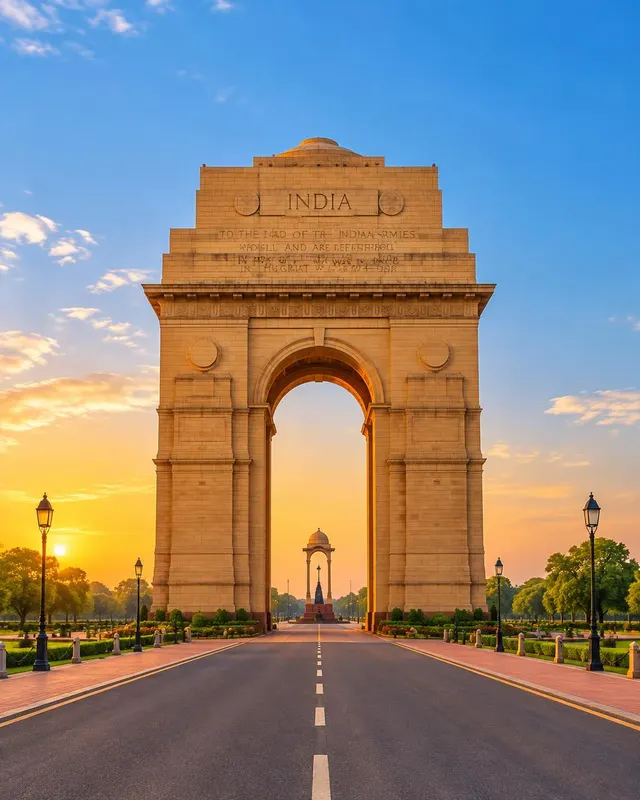
Passenger boats for Elephanta usually leave from the Gateway of India in Colaba. Churchgate and Chhatrapati Shivaji Maharaj Terminus are useful railway arrival points on the mainland, followed by a taxi or other road connection to the Gateway. Neither station is directly beside the departure point, so leave time for the onward trip and for finding the correct boat queue.
The crossing commonly takes about an hour, with conditions and harbour traffic affecting the trip. On arrival, there is still a walk along the landing approach before the climb to the caves. Boat travel, waiting and the ascent can take up more time than visitors expect. Carry drinking water, sun protection and a light bag rather than luggage.
November to March is generally the most comfortable season. Cooler weather makes the stairs easier, and sea conditions are usually more favourable than during the monsoon. Even in winter, exposed stretches can feel hot around midday. An early departure from the mainland gives you more comfortable walking conditions and greater flexibility for the return.
Monsoon weather can disrupt or suspend boat services, so a rainy-season plan needs checking close to the date. The caves are generally closed on Mondays; confirm current access arrangements before travelling. Check the return-boat arrangements when you arrive, too. This is not a place to linger until evening and then assume transport will be available. Keep the day clear of tight onward connections, especially flights.
Food, shopping and mainland sights
Restaurants near Elephanta Caves are mostly straightforward island eateries along the approach rather than formal dining rooms. Expect simple Indian meals, snacks and refreshments, with menus and availability varying between establishments. Ask what is ready before settling in if you need to catch a return boat. A modest meal or snack fits the outing better than planning the day around a particular restaurant.
For a larger choice, eat in Colaba before departure or after returning. The streets around the Gateway and Colaba Causeway have established cafés, Indian restaurants and casual places for sandwiches or a sit-down meal. Colaba is also a practical option for visitors with dietary restrictions, though ingredients should still be checked directly. Take enough water for the climb even if you intend to buy more on the island.
Island stalls sell souvenirs such as small carvings, jewellery and decorative objects. Prices and workmanship vary, so compare items rather than buying at the first stall. For more sustained browsing, Colaba Causeway has street stalls and shops selling clothes, accessories and gifts. Keep bulky purchases until after the island trip; carrying shopping up the steps soon becomes inconvenient.
Most substantial places to visit near Elephanta Caves are across the water in South Mumbai, not within walking distance of the cave complex. The Gateway itself is the easiest companion stop. Kala Ghoda and the Chhatrapati Shivaji Maharaj Vastu Sangrahalaya suit an interest in art and history, but a full museum visit may be better saved for another day. Marine Drive is another mainland option if you still have energy after the return.
Where to stay and find everyday essentials
Searches for hotels near Elephanta Caves are best directed towards mainland Mumbai. Colaba is especially convenient for reaching the Gateway without a long cross-city journey. Accommodation there includes smaller guesthouses and high-end hotels, while Fort and Churchgate are useful alternatives for visitors who also want railway access and time in South Mumbai. Compare the actual route to the Gateway rather than relying on a map’s straight-line distance across the harbour.
Buy daily essentials before boarding. Colaba and Fort have grocery shops, convenience stores and pharmacies where you can pick up packaged snacks, toiletries or personal supplies. Island stalls are useful for basic refreshments, but their stock should not be treated as a substitute for mainland shopping.
Carry any regular medicines for the day. Do not rely on finding a medical shop or a particular prescription medicine on Gharapuri. If boat travel makes you nauseous, ask a pharmacist or clinician about a suitable remedy before departure, including any drowsiness precautions. Keep medicines, drinking water and a small amount of cash in an easily reached part of your bag.