
Chhatrapati Shivaji Maharaj Terminus, Mumbai — a visitor's guide
Historic railway headquarters with Victorian Gothic architecture
Chhatrapati Shivaji Maharaj Terminus, Mumbai, is both a UNESCO World Heritage site and a railway station carrying the city’s daily commuter traffic. Its former name, Victoria Terminus, survives in the abbreviation VT, while CSMT is the name to look for on railway signs and booking screens. People come to admire the Gothic stonework, photograph the facade and explore the historic streets of Fort. Many others are simply catching a train.
That overlap shapes a visit. This is not a monument set apart from ordinary city life. Announcements, taxi queues and hurried passengers share the setting with an elaborate dome and carved animals. Allow time to look at the building from across the road rather than expecting to appreciate it while moving through the station entrance.
What to look for at the station
British architect F. W. Stevens designed the terminus in the late nineteenth century, combining Victorian Gothic architecture with elements drawn from Indian palace buildings. The central octagonal dome, topped by a figure representing Progress, is the easiest feature to pick out. Look lower down for pointed arches, carved peacocks and gargoyles. The building rewards a closer look, though some details are easier to see in photographs than from a crowded pavement.
The broad exterior view is the simplest part of a visit and does not require a platform ticket. Interior sightseeing is a separate matter: railway platforms, operational areas and heritage spaces have different access arrangements. Check current heritage-tour or museum arrangements before relying on entry to the administrative wing. A train ticket should not be treated as permission to wander through offices.
Across the junction stands the Brihanmumbai Municipal Corporation headquarters, another prominent Gothic building. Together, the two buildings give this corner of Mumbai much of its visual character. Use pedestrian crossings and follow traffic signals to find a viewing position; stepping into the road for a photograph is particularly unwise here.
Getting there and choosing your time
CSMT is the southern terminus for Central Railway suburban services and Harbour Line services. For visitors staying along those routes, a local train can be the most direct way to arrive. Long-distance trains also use the station, but their platforms and boarding arrangements differ from the suburban section. If you have a train to catch after sightseeing, leave time to locate the correct concourse.
Churchgate serves the Western Railway suburban line and is a separate station, not another entrance to CSMT. A taxi connects the two, while the walk is possible if the weather and your luggage permit. BEST buses serve the surrounding area, although routes and stopping points should be checked before travel.
Taxis are useful for reaching Fort from elsewhere in south Mumbai. Auto-rickshaws do not operate in this part of the city. Airport journeys can take much longer than the distance suggests, so avoid planning a tight connection between a flight and a departure from CSMT. Traffic around the station itself can also slow the final stretch.
October to March is generally the more comfortable visiting season, particularly on cooler winter mornings. October can still feel hot. During the monsoon, heavy rain makes outdoor photography and walking less predictable, and exposed pavements offer limited shelter.
For a visit centred on architecture, choose a weekend morning or a weekday outside commuter peaks. Early daylight makes walking more comfortable; after dark, the illuminated facade offers a different view, though lighting arrangements can vary. Weekday mornings and evenings are busy with office commuters. Keep bags close and avoid stopping in the middle of passenger flows.
Walking through Fort and finding food
The streets south of the station lead into Fort, a district of commercial offices, older stone buildings and busy pavement trade. Around the entrances, the mood is hurried and practical. Farther towards Horniman Circle and Kala Ghoda, you will find stretches better suited to an unhurried walk, though crossings and uneven footpaths still need attention.
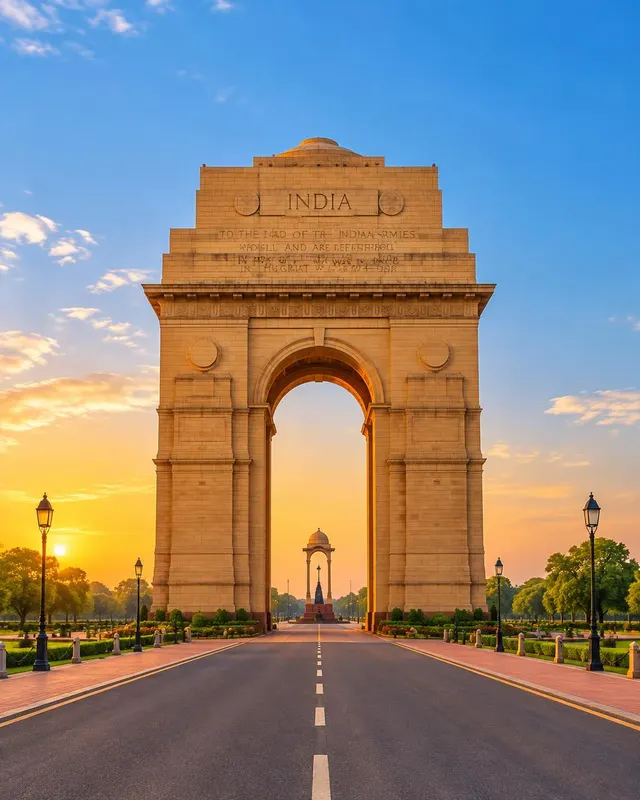
Among the places to visit near Chhatrapati Shivaji Maharaj Terminus, the municipal headquarters is the closest architectural companion. Farther into Fort, St. Thomas Cathedral and Horniman Circle fit naturally into a walking route. Kala Ghoda’s galleries and Chhatrapati Shivaji Maharaj Vastu Sangrahalaya suit a longer outing. The Gateway of India is farther south in Colaba; treat it as another stop rather than something immediately beside the station.
For restaurants near Chhatrapati Shivaji Maharaj Terminus, look beyond the concourse into the Fort lanes. The area has longstanding office-lunch trade, with vegetarian meals, South Indian breakfasts and quick snacks available in the surrounding streets. Irani cafes are part of south Mumbai’s food culture, and a cafe stop can provide a welcome seated break.
Vada pav and other takeaway snacks are convenient if you are short of time. Choose busy vendors serving freshly prepared food, and carry drinking water for a longer walk. Restaurant hours can differ on Sundays and holidays because parts of Fort depend on weekday office custom. A proper sit-down meal is easier to enjoy before returning to the station than while watching the departure board.
Staying nearby and handling daily needs
Hotels near Chhatrapati Shivaji Maharaj Terminus are useful for early departures or a visit concentrated on south Mumbai. Fort has accommodation in older commercial buildings, while Ballard Estate and the Churchgate side offer other nearby bases. Colaba is popular with visitors who want to spend more time around the waterfront and tourist sights.
Check the actual entrance location before booking. A hotel described as near the station may still involve a walk through crowded streets with luggage. In older buildings, confirm lift access and ask about street-facing rooms if traffic noise affects your sleep.
For shopping, Crawford Market, officially Mahatma Jyotiba Phule Mandai, lies north of the station and is known for its market atmosphere and food trade. Neighbouring streets sell household goods and other everyday merchandise. Keep extra purchases manageable if you are travelling onward by train.
Medical shops and pharmacies operate around the station district and along Fort’s commercial streets. Do not assume every shop stays open late; carry prescriptions and allow time to find a particular medicine. Small grocers, convenience shops and station stalls are useful for bottled water, packaged snacks and basic toiletries. Buy these before boarding, especially if your onward service leaves little time for another stop.